Share your ingredient, application, or formulation challenge. Our technical team can help with specifications, solubility, delivery systems, and supporting documentation.
Turn Complex Ingredient Questions Into Clear Technical Decisions
Technical & Formulation Team
From specifications and solubility to formulation compatibility and advanced delivery systems, our technical team can help you evaluate the right ingredient approach for your application and target market.
Technical Support for Your Application
Specification & grade selection
Solubility & formulation compatibility
Liposomal, microencapsulated & water-soluble systems
Almost every plant food contains phytochemicals, but some foods are far more concentrated sources than others. Onions, capers and tea are rich in quercetin. Soybeans supply genistein. Cocoa and green tea provide epicatechin. Thyme and celery carry luteolin. Grape skins and peanuts contain resveratrol, and whole-grain bran is one of the richest dietary sources of ferulic acid. Brightly colored produce adds carotenoids and anthocyanins, while broccoli and garlic contribute sulfur-containing compounds.
For anyone formulating a supplement, functional food or beverage, the more useful question comes next. Is the food richest in a phytochemical also the raw material the commercial ingredient is made from? Usually it is not. The gap between “good dietary source” and “commercial raw material” affects label claims, assay specifications, impurity profiles and price. This guide covers both sides: where phytochemicals occur in everyday foods, and what that means when you write a specification or request a quote.
Which Foods Are the Richest Sources of Phytochemicals?
Phytochemicals are grouped by chemical class, and each class has a predictable set of food sources. If you need a refresher on what phytochemicals are and how they are classified, start there. The table below gives the short answer.
Phytochemical Class
Example Compounds
Top Food Sources
Flavonols
Quercetin, kaempferol
Red and yellow onions, capers, kale, apples with skin, tea
Isoflavones
Genistein, daidzein
Soybeans, tofu, tempeh, miso, soy milk
Flavan-3-ols
(−)-Epicatechin, catechin, EGCG
Cocoa beans, green tea, apples, grapes
Flavones
Luteolin, apigenin
Celery, parsley, thyme, green peppers, chamomile
Anthocyanins
Cyanidin, delphinidin
Blueberries, blackcurrants, red cabbage, purple sweet potato
Stilbenes
Resveratrol
Grape skins, peanuts, some berries
Hydroxycinnamic acids
Ferulic acid, caffeic acid, chlorogenic acid
Wheat, rice and corn bran; coffee
Carotenoids
Beta-carotene, lycopene, lutein
Carrots, tomatoes, spinach, kale
Glucosinolates
Glucoraphanin
Broccoli, broccoli sprouts, Brussels sprouts
Organosulfur compounds
Alliin (allicin precursor)
Garlic, onions, leeks
Measured values for many flavonoids are publicly available. The USDA’s Agricultural Research Service maintains flavonoid databases for selected foods. Release 3.3 (March 2018) covers 506 food items across five flavonoid subclasses, including quercetin, luteolin and epicatechin. For R&D teams estimating how much of a compound a food-based claim really represents, the USDA flavonoid database is the most practical public reference.
The rest of this guide focuses on six polyphenols (quercetin, genistein, epicatechin, luteolin, trans-resveratrol and ferulic acid) because B2B buyers most often source them as purified ingredients.
Food Sources vs. Commercial Raw Materials: Why the Distinction Matters
Many buyers assume that if onions are a top dietary source of quercetin, quercetin ingredients must come from onions. That assumption is usually wrong.
Commercial extraction follows yield, cost per kilogram of active compound, supply stability and ease of purification. Dietary prominence plays no part. A food can be an excellent everyday source and still be a poor industrial feedstock. Onions are mostly water, onion quercetin is bound to sugars, and onions are worth more as food than as extraction biomass. Meanwhile, some of the most important commercial raw materials, such as Japanese knotweed root or peanut hulls, are not foods anyone eats.
The distinction affects buyers in three ways:
Label and marketing claims. “Quercetin from onions” on pack copy is a source claim. Supplier documentation has to support it, and a standard quercetin specification will not.
Impurity profiles. Each feedstock carries its own co-extractives, pesticide risks and solvent history. Knotweed-derived resveratrol, for example, has a different minor-component profile from grape-derived resveratrol.
Pricing logic. Ingredients made from high-yield, low-cost biomass sit in a different price band from ingredients made from food-grade produce. A “food-source” premium only makes sense if the product positioning actually needs it.
Phytochemical
Class
Notable Dietary Sources
Typical Commercial Raw Material
Key Spec / QC Watch Points
Quercetin
Flavonol
Onions, capers, kale, apples, tea
Sophora japonica flower buds (via rutin)
Aglycone vs. dihydrate vs. glycoside; assay method (HPLC vs. UV); residual rutin
Genistein
Isoflavone
Soybeans, tofu, tempeh, miso
Soy isoflavone fractions; other legume sources; synthesis or fermentation routes
Aglycone vs. genistin; GMO/allergen status; total vs. individual isoflavones
Trans/cis ratio; emodin and anthraquinone limits; light protection
Ferulic acid
Hydroxycinnamic acid
Wheat, rice and corn bran; coffee
Rice bran oil by-products (γ-oryzanol); corn bran
Natural vs. synthetic route; residual solvents; vanillin-related impurities
Six Phytochemicals Buyers Ask About Most and Where They Really Come From
Quercetin: Onions and Capers at the Table, Sophora japonica in the Plant
Quercetin in foods occurs mainly as glycosides: quercetin bound to glucose, rutinose or other sugars. Onion quercetin is largely glucosides, while buckwheat and many herbs carry rutin. Capers rank among the most concentrated foods by weight but are eaten in small amounts, so onions and apples contribute more to total quercetin intake.
In the USDA Flavonoid Database (Release 3.3), raw capers average about 234 mg of quercetin per 100 g and canned capers about 173 mg/100 g, with individual canned samples ranging from roughly 45 to 520 mg/100 g. Raw red onions are far lower at about 39 mg/100 g, according to the Linus Pauling Institute’s summary of USDA data, but people eat onions in much larger amounts than capers. Apples show how much plant part matters: raw apples with skin average about 4.0 mg/100 g, while peeled apples average about 1.1 mg/100 g.
Most high-purity commercial quercetin starts as rutin extracted from Sophora japonica (Japanese pagoda tree) flower buds and is then hydrolyzed to the quercetin aglycone. For a capsule or tablet program, a Sophora japonica-derived quercetin powder is the conventional starting point. Quercetin specifications should state whether the assay refers to anhydrous quercetin or quercetin dihydrate, because the two forms differ by roughly 10% in active content on an as-is basis.
Genistein: Soy Foods and the Aglycone Question
Genistein in the diet comes almost entirely from soybeans and soy foods. In unfermented soy foods such as soy milk and tofu, most genistein is present as genistin, the glucoside form. Fermentation in miso and tempeh releases more free genistein aglycone.
According to the USDA Database for the Isoflavone Content of Selected Foods, raw mature soybeans average about 81 mg of genistein per 100 g, but individual samples range from roughly 6 to 276 mg/100 g depending on variety, growing location and crop year. Regular tofu made with calcium sulfate averages about 13 mg/100 g. The USDA reports these values as aglycone equivalents, converting genistin and other glucosides to their genistein content, so they describe total genistein rather than the free form a 98% genistein ingredient delivers.
This difference carries straight into procurement. A “40% soy isoflavones” extract and a 98% genistein ingredient are not interchangeable. The first is a mixed isoflavone glycoside fraction. The second is a single, largely aglycone compound. If a formula targets genistein specifically, specify high-purity genistein powder by individual compound assay rather than total isoflavones. Also ask the supplier to state the production route, because soy-derived, other-botanical and synthetic or fermentation genistein can differ in GMO, allergen and impurity documentation.
Epicatechin: Cocoa, Tea and Processing Losses
(−)-Epicatechin is most concentrated in cocoa beans and green tea. Processing is the major variable. Fermentation, roasting and especially alkalization (“Dutching”) of cocoa can sharply reduce flavanol content, so a dark chocolate bar is an unreliable proxy for raw cocoa.
Cocoa is the richest everyday source. According to the Linus Pauling Institute’s summary of USDA data, unsweetened cocoa powder contains about 317 mg of flavan-3-ol monomers (catechin and epicatechin combined) per 100 g, and dark chocolate about 84 mg of (−)-epicatechin per 100 g. Brewed green tea supplies only about 8 mg of (−)-epicatechin per 100 mL, while its dominant catechin, EGCG, runs at about 70 mg per 100 mL.
Processing losses explain why “cocoa extract” specifications vary so much between suppliers. If a product concept depends on epicatechin itself rather than general cocoa polyphenols, a purified epicatechin powder gives tighter dose control. When requesting documentation, confirm stereochemical identity, because (−)-epicatechin and (+)-catechin are isomers that a poorly specified assay may not separate. For tea-derived epicatechin, also ask for caffeine and EGCG limits.
Luteolin: Celery, Parsley and By-Product Feedstocks
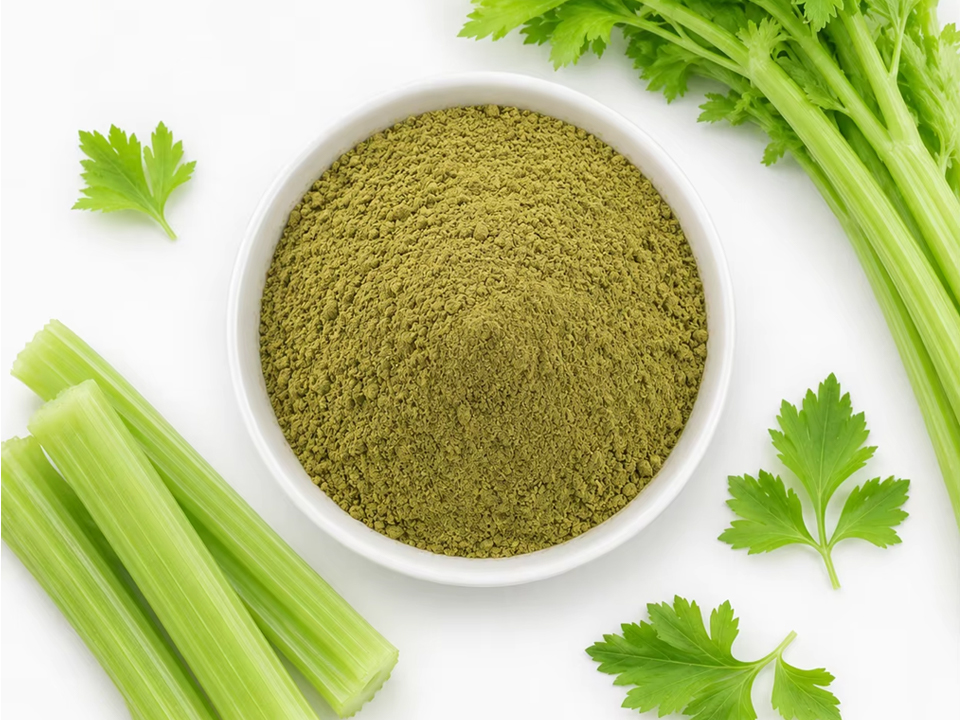
Luteolin in the diet comes mainly from celery, parsley, thyme, green peppers and chamomile, often as glucosides alongside apigenin. Dietary amounts are modest. Even luteolin-rich herbs are eaten in gram quantities, not hundreds of grams.
Luteolin is less widespread in everyday foods than its reputation suggests. According to the Linus Pauling Institute’s summary of USDA data, fresh thyme contains about 45 mg of luteolin per 100 g and fresh peppermint about 13 mg/100 g, while raw celery and fresh parsley each contain only about 1 mg/100 g. Parsley is far richer in the related flavone apigenin, at about 216 mg/100 g. Celery still contributes meaningfully to dietary luteolin simply because people eat it in quantity, and celery seed is much more concentrated: the USDA Flavonoid Database lists it at about 762 mg/100 g, although that figure rests on a single sample.
Commercial luteolin is frequently produced from agricultural by-products, and peanut hulls are a widely used feedstock. That is sound resource use, but it brings a specific QC requirement: aflatoxin testing belongs on a luteolin specification, not just heavy metals and microbiology. When evaluating luteolin powder for supplement formulation, ask for the botanical source in writing and check that the certificate of analysis (COA) covers mycotoxins appropriate to that source.
Trans-Resveratrol: Grapes Get the Headlines, Knotweed Supplies the Market
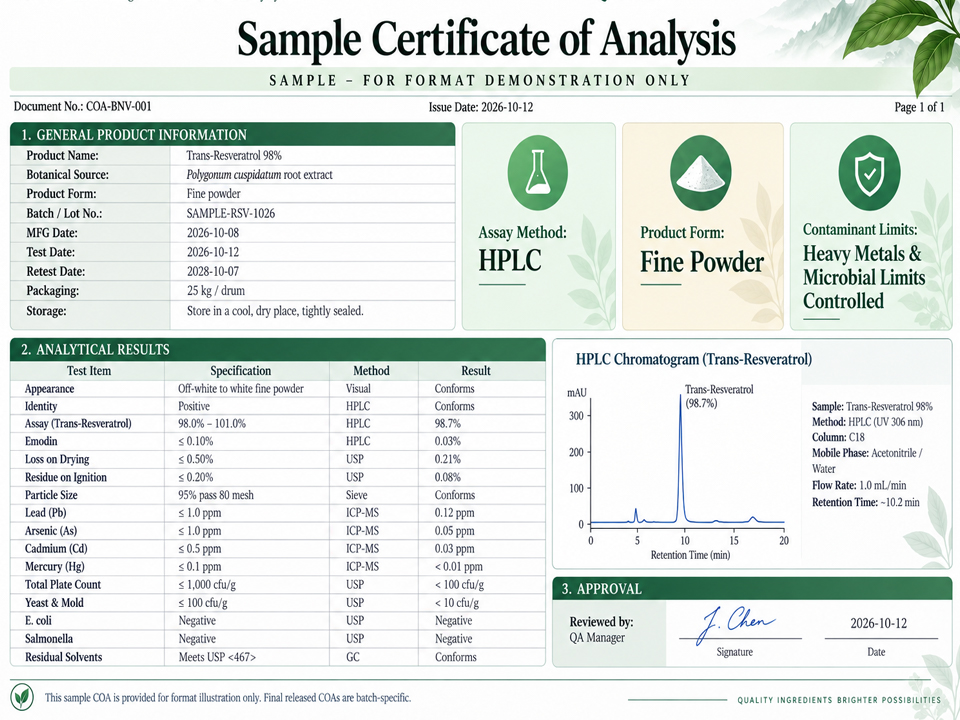
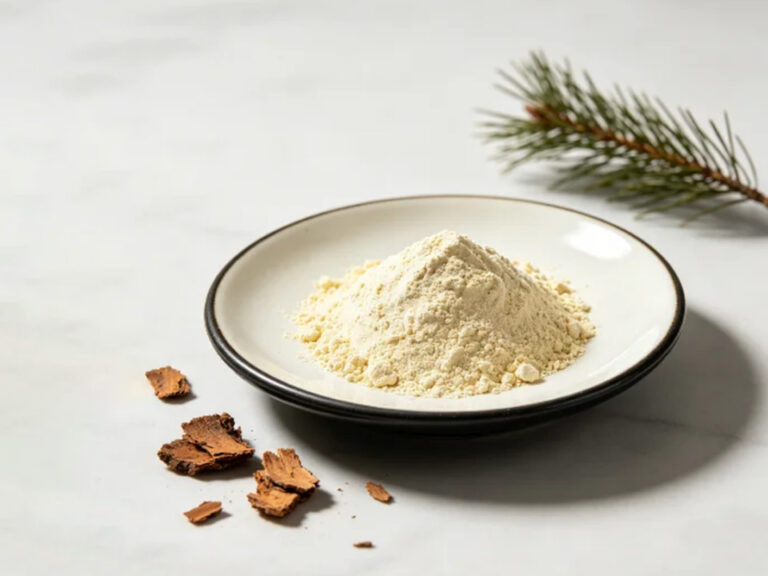
Resveratrol became famous through red wine, but grape skins, wine and peanuts contain resveratrol at low and highly variable levels. The supplement market runs on a different plant. A 2023 peer-reviewed study in Pharmaceutics notes that most commercial resveratrol is extracted from Polygonum cuspidatum, also known as Japanese knotweed.
Two resveratrol specification points tend to get missed. First, resveratrol isomerizes from trans to cis under light, so assay results should report trans-resveratrol specifically, and packaging should be light-protective. Second, knotweed root also contains anthraquinones such as emodin, which can carry over if purification is incomplete. A well-specified trans-resveratrol powder lists both a minimum trans-resveratrol assay and a maximum emodin limit.
Across our last 5 production lots, trans-resveratrol assay ranged from 98.2% to 99.0% by HPLC, with emodin below 0.10% in every lot.
Ferulic Acid: The Bound Phenolic in Cereal Bran
Ferulic acid is one of the most abundant phenolic acids in the human diet, largely because cereal bran is full of it. Most ferulic acid in bran is chemically bound to cell-wall polysaccharides (arabinoxylans) rather than present in free form. That is why whole wheat, rice bran and corn bran are strong sources on paper but release ferulic acid slowly during digestion.
Rice bran is also an industrial source of ferulic acid. A 2025 review in Antioxidants describes γ-oryzanol as a complex mixture of ferulic acid esters found predominantly in rice bran, and rice bran oil refining by-products are a recognized route to natural ferulic acid. Ferulic acid can also be made synthetically, so “natural” versus “synthetic” is a documentation question, not a visual one. If a market or label requires natural origin, specify it, and ask how the supplier substantiates it before ordering ferulic acid powder.
Why Phytochemical Content in Foods Varies So Much
Food composition tables give single averages, but real-world phytochemical content swings widely for several reasons:
Cultivar. Red and yellow onions carry far more quercetin than white onions. Black and red rice differ from white rice in bran phenolics.
Growing conditions. UV exposure, temperature stress and pathogen pressure increase stilbene and flavonoid synthesis. Resveratrol is a plant stress response.
Plant part. Peel, skin, outer leaves and hulls usually hold the highest concentrations. Peeling an apple removes most of its quercetin.
Processing and storage. Heat, alkalization, oxidation and light exposure degrade or convert polyphenols.
Chemical form. Glycosides, esters and bound forms count toward “content” in some analyses but not in others.
This variability is the main commercial argument for standardized extracts and purified compounds. A brand cannot promise consistent epicatechin delivery from cocoa powder whose flavanol content shifts with every origin and roast profile.
Whole-Food Powder, Standardized Extract or Purified Compound?
Once the food sources are clear, the real decision is ingredient format. Each format suits a different product strategy:
Whole-food or juice powders (onion, celery, cocoa, grape skin) support clean-label, “real food” positioning. Their drawbacks are low and variable active content and large serving sizes, which suit drink mixes and foods better than capsules.
Standardized extracts (for example, a soy extract standardized to total isoflavones) keep a broader phytochemical profile and a recognizable botanical identity, with a guaranteed minimum marker content. If your team uses the terms loosely, it helps to align on what “standardized” means on a supplement specification, and on how extract ratios differ from assay-based standardization. A 10:1 ratio extract and a 10% standardized extract are very different commitments.
Purified compounds (95–99% quercetin, genistein, trans-resveratrol and similar) give the tightest dose control and the smallest serving size. They suit capsules, tablets and research-led formulations. The trade-off is that the label story is a molecule, not a food.
No format is automatically better. A functional beverage built on “real celery” positioning is badly served by 98% luteolin. A clinically dosed capsule is badly served by celery powder. Choose the format from the claim strategy and dosage form first, then write the specification.
Common Specification Mistakes Buyers Make
Most sourcing problems with phytochemical ingredients come from ambiguous specifications, not from fraudulent suppliers. The recurring mistakes are:
Specifying a class instead of a compound. “Flavonoids 95%” or “isoflavones 40%” does not tell you how much of the target molecule you are buying.
Ignoring chemical form. Aglycone, glycoside, hydrate and ester forms have different molecular weights and behave differently in formulation. A specification without a stated form is incomplete.
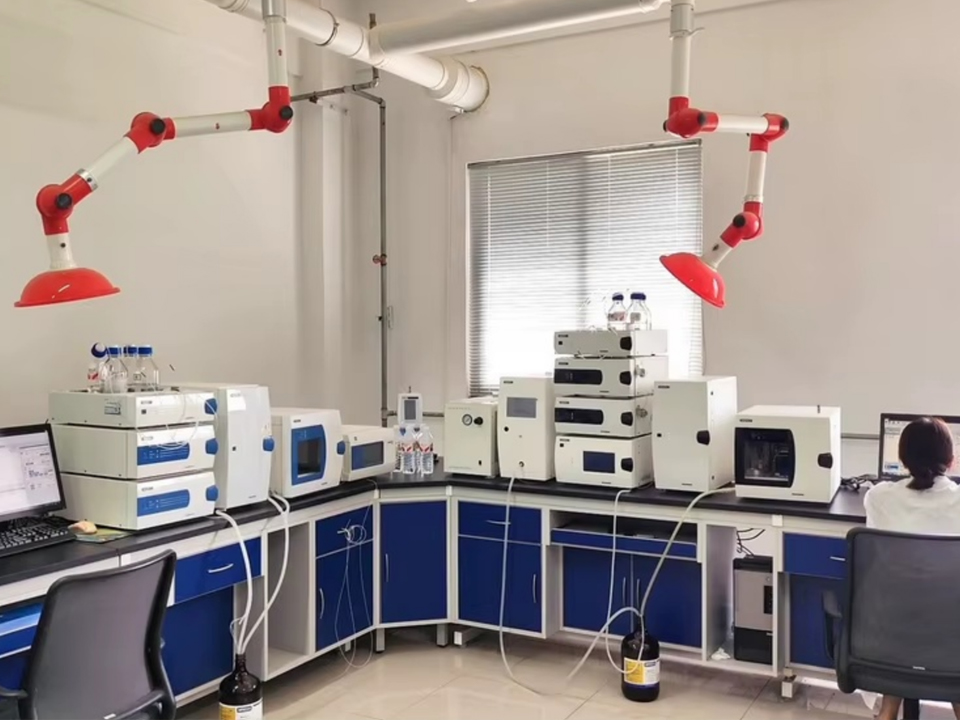
Not fixing the assay method. UV spectrophotometry can overstate content by reading related compounds. HPLC against a certified reference standard is the usual basis for single-compound specifications. Writing the method into the specification makes supplier and receiving-lab results comparable.
Treating the supplier COA as the end of verification. One Reddit discussion about a supplement’s lab report shows the risk. A reader noticed that a heavy-metal entry listed “Pd” (palladium) where lead (“Pb”) was presumably meant, and the brand’s statement turned out to be a copy of results received from its own supplier. In the U.S., COA verification is a regulatory requirement, not a quality preference. An FDA warning letter issued in 2023 cited a manufacturer for relying on supplier COAs without first qualifying the supplier as required under 21 CFR 111.75(a)(2)(ii)(A), meaning the manufacturer had not confirmed the supplier’s results.
Leaving source-specific contaminants off the test panel. These include aflatoxins for peanut-derived luteolin, anthraquinones for knotweed-derived resveratrol, and caffeine for tea-derived epicatechin. A generic heavy-metals-and-microbiology panel misses all three.
What Should Buyers Specify Before Requesting a Quote?
A supplier can only quote accurately against a clear brief. Before sending an RFQ for purified phytochemical ingredients, prepare the following:
Exact compound and form. For example, “quercetin, anhydrous basis” or “trans-resveratrol,” not just “resveratrol.”
Minimum assay and method. For example, “≥98% by HPLC.”
Botanical source or production route. Specify this only if the label or market requires it (natural vs. synthetic, specific plant, non-GMO).
Contaminant limits. Heavy metals, pesticides, residual solvents, microbiology and any source-specific contaminants listed above.
Physical properties. Particle size or mesh, bulk density and flowability, which matter for encapsulation and tableting.
Annual volume and first-order quantity. These drive MOQ discussions and price tiers.
Documentation package. Batch COA, specification sheet, allergen and GMO statements, residual solvent statement, and any certifications your customers require.
Destination market. Regulatory status, novel food considerations and permitted claims differ between the U.S., EU and other regions.
Packaging and shelf life. Light- and moisture-protective packaging is not optional for trans-resveratrol or epicatechin.
Sampling plan. Request pre-shipment samples from the production lot, and plan confirmatory testing before approving a new supplier.
Buyers who define form, method and source up front rarely face disputes about whether a shipment is “in spec.” Buyers who quote on a generic product name often do.
Frequently Asked Questions
1. What foods have the most phytochemicals?
Brightly colored fruits and vegetables, tea, cocoa, soybeans, herbs and whole-grain bran are among the richest sources of phytochemicals. Standouts include onions and capers (quercetin), soy foods (genistein), cocoa and green tea (epicatechin), thyme and celery (luteolin), grape skins (resveratrol), and rice or wheat bran (ferulic acid).
2. Do different colored fruits and vegetables contain different phytochemicals?
Yes. Food color is a rough guide to phytochemical class. Red and purple foods often carry anthocyanins or lycopene, orange and yellow foods carry carotenoids, and green vegetables supply lutein and, in crucifers, glucosinolates. Pale alliums such as onions and garlic contribute quercetin and organosulfur compounds.
3. Is commercial quercetin made from onions?
Rarely. Most high-purity quercetin is produced by hydrolyzing rutin extracted from Sophora japonica flower buds. Onions are a major dietary source of quercetin, but their high water content and glycoside-bound quercetin make them an inefficient industrial feedstock.
4. Where does most supplement-grade resveratrol come from?
Most commercial resveratrol is extracted from the root of Polygonum cuspidatum (Japanese knotweed), not from grapes or red wine. Fermentation-derived resveratrol is also available. Buyers should specify the trans isomer and set limits for knotweed co-extractives such as emodin.
5. What is the difference between genistein and soy isoflavones?
“Soy isoflavones” is a group term covering genistein, daidzein, glycitein and their glycosides. Genistein is one specific molecule. A total-isoflavone extract cannot substitute for a high-purity genistein ingredient when a formula targets a defined genistein dose.
6. Why does phytochemical content vary between batches of the same food powder?
Cultivar, growing conditions, harvest timing, plant part, processing temperature and storage all change polyphenol levels. Whole-food powders are not standardized, so active content can shift from lot to lot. Standardized extracts or purified compounds reduce that variability.
7. Can a supplier COA replace incoming testing?
Not by default. In the U.S., dietary supplement manufacturers must qualify a supplier, which includes confirming the reliability of the supplier’s COA, before relying on it. Initial lots typically get full confirmatory testing, followed by periodic re-verification.