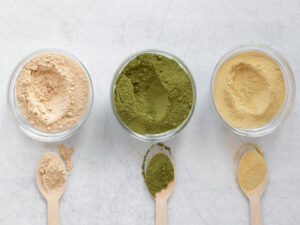
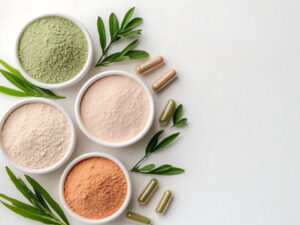
Mushroom Powders for Supplements and Functional Foods

Mushroom powders are fungal raw materials prepared for incorporation into commercial formulations. This category focuses on dried, milled materials within Functional Mushroom Ingredients. Select by species, material source, particle size, and processing history, then assess suitability for capsules, powder blends, beverages, or foods against the individual product specification.
  • COA Available
  • Technical Documentation
  • Bulk Supply
  • Custom Specifications
USDA
Organic-EU
ISO9001
HALAL
KOF-K Kosher
FSSC
Non-GMO
INGREDIENT OVERVIEW

What Are Mushroom Powders?

Mushroom powders are ingredients produced from identified fungal materials through drying and milling. Depending on the product, the starting material may be fruiting bodies, cultivated mycelium, or myceliated substrate. Their composition and processing behavior depend on the declared species, harvested material, and production method.
A powder appearance does not establish extraction, concentration, or solubility. For procurement, a “whole” designation needs a precise material declaration; it does not independently confirm fruiting-body content, substrate exclusion, or a measured constituent level.
SPECIES SELECTION

Explore Functional Mushroom Powders by Species

Select by verified fungal identity and formulation requirements. The following are sourcing references; individual species, forms, and grades must be confirmed against current product listings.
Species reference Selection consideration
Lion’s Mane — Hericium erinaceus Confirm fruiting-body, mycelial, or combined material.
Reishi — Ganoderma species Verify exact species and evaluate bitterness in the intended formula.
Shiitake — Lentinula edodes Assess savory flavor and color for food applications.
Maitake — Grifola frondosa Confirm source material and milling specification.
Turkey Tail — Trametes versicolor Identify the harvested material and drying process.
Cordyceps Specify exact species and cultivated material; the common name alone is insufficient.
Descriptions such as “medicinal mushroom powder” do not replace species identification, material declarations, or product-specific technical documentation.
MATERIAL SOURCE

Fruiting Body vs. Mycelium: What Should Buyers Specify?

Specify the fungal material and whether cultivation substrate remains in the finished ingredient. Fruiting bodies are reproductive structures; mycelium is the vegetative network. Mycelium-derived biomass and myceliated grain are different purchasing descriptions, so neither “mycelium” nor “whole mushroom” should replace a complete composition declaration.
Material Information to request
Fruiting-body powder Species, harvested part, and processing history.
Mycelium-derived powder Cultivation method, biomass recovery, and residual substrate.
Myceliated grain or substrate Substrate identity and its presence in the final material.
For a fruiting body mushroom powder specification, explicitly state whether other fungal parts, substrate, or carriers are permitted. Choose the material that matches your formulation and label requirements.
POWDER OR EXTRACT

Whole Mushroom Powder vs. Mushroom Extract Powder

A whole-material powder is dried and milled fungal material. An extract powder undergoes an extraction step before drying, changing its composition according to the process. These are distinct ingredient forms; extraction does not automatically establish standardization, complete water solubility, or suitability for a particular formulation.
Purchasing factor Ground powder Extract powder
Process Drying and milling Extraction followed by drying
Composition Includes milled source material Reflects extraction conditions and any carriers
Analytical claims Require measured results Concentration and marker claims require supporting data
Formulation behavior Assess particle feel and suspension Verify dissolution, dispersion, and sensory properties
Compare extracted ingredients in the separate Mushroom Extracts category when your brief requires an extraction process.
TECHNICAL CHECKPOINTS

Mushroom Powder Specifications and Quality Requirements

Evaluate the written specification together with a batch-specific Certificate of Analysis (COA). A specification defines acceptance criteria; the COA records reported results for an identified lot.
Identity and composition: Scientific name, material source, origin, and carrier or substrate declarations.
Physical properties: Particle size and method, moisture, appearance, aroma, and bulk density where filling performance matters.
Contaminant controls: Relevant microbiological, heavy-metal, and pesticide results with methods and agreed limits.
Composition testing: Beta-glucan or other constituent data where specified, including analytical method and reporting basis.
Traceability and storage: Lot identification, packaging, shelf life, and storage conditions.
Compare constituent results only when methods and reporting bases are compatible. A total-polysaccharide figure is not interchangeable with a beta-glucan result.
FORMULATION FIT

Mushroom Powders for Supplements and Functional Foods

Match the ingredient’s physical and sensory properties to the intended manufacturing process. Mushroom powders for supplements and food formulations need application testing rather than selection by species alone.
Application What to evaluate
Capsules and tablets Flow, bulk density, fill consistency, and compression behavior.
Powder blends, sachets, and stick packs Mixing uniformity, segregation, moisture sensitivity, and portion consistency.
Beverage mixes and mushroom coffee Wetting, dispersion, sedimentation, flavor, and color at the intended use level.
Functional foods Taste, texture, processing conditions, and ingredient declaration.
Multi-species blends Each component’s identity, proportion, and compatibility.
Test the selected grade in your actual formula. Finer milling can change mouthfeel and dispersion without demonstrating complete dissolution.
SOURCING CONFIDENCE

How to Evaluate an Organic or Bulk Mushroom Powder Supplier

Evaluate a supplier by its ability to document the exact material offered, trace batches, and communicate purchasing conditions. Organic status requires separate verification: an organic mushroom powder inquiry should identify the required certification scheme and obtain documentation covering the relevant product and operation.
Operating role: Confirm whether the business manufactures, processes, or distributes the material.
Quality evidence: Review specifications, lot COAs, applicable reports, and change-notification procedures.
Organic scope: Verify certification status, product coverage, and requirements for your destination market, including USDA NOP where relevant.
Commercial terms: Confirm MOQ, packaging, price basis, lead time, and shipment documentation for the selected grade.
Send your sourcing brief to Botanovance to discuss product-specific information.
BUYER QUESTIONS

Mushroom Powder Sourcing FAQs

Not necessarily. Ground fungal materials can leave suspended particles or sediment. Evaluate wetting, dispersion, and settling in your intended beverage rather than treating powder fineness as proof of solubility.

No. Beta-glucans are a specific group of polysaccharides. Request the analyte, method, units, and reporting basis before comparing results or establishing a purchasing specification.

Yes, depending on the ingredient. Request a complete composition statement distinguishing fungal biomass, retained substrate, and added processing aids or carriers. Do not infer their absence from the product name.

No. Confirm certification coverage for the exact product and relevant supply-chain operations. A supplier’s organic offering does not establish organic status for its entire catalog.

MOQ depends on the selected material, grade, packaging, and supply conditions. Submit the species, required form, estimated quantity, and destination to obtain current order terms.

List each species, material source, and percentage, then define shared acceptance criteria. Specify whether you require separate ingredients or a premixed product; blending-service availability must be confirmed.

START YOUR PROJECT

Discuss Your Mushroom Powder Requirements

Developing a capsule, powder blend, beverage, or functional food? Send Botanovance your mushroom species, required material source, powder characteristics, intended application, and estimated purchasing quantity. Include the destination market, documentation requirements, and target delivery date. A clear brief provides the basis for discussing suitable grades, technical information, and current commercial terms.
Call To Action
PRODUCT PORTFOLIO

Browse Mushroom Powders

Explore the mushroom powders listed below and compare their declared material sources and specifications before submitting a product-specific inquiry.
TECHNICAL RESOURCES

Mushroom Powder Guides & Resources

Review related resources on raw-material identity, powder selection, analytical documentation, and formulation considerations to support your next ingredient sourcing decision.