Home>Botanical Ingredients

Botanical Ingredients for Supplements and Nutraceuticals

Botanical ingredients are plant-derived raw materials supplied as standardized extracts, ratio extracts, milled plant powders, or phytochemical ingredients. Botanovance brings these categories together for supplement and nutraceutical manufacturers, contract manufacturers, food and beverage developers, and ingredient distributors. Start with the category that matches your product brief, explore individual listings, and share your purchasing requirements for a product-specific discussion.
  • COA Available
  • Technical Documentation
  • Bulk Supply
  • Custom Specifications
USDA
Organic-EU
ISO9001
HALAL
KOF-K Kosher
FSSC
Non-GMO
INGREDIENT OVERVIEW

What Are Botanical Ingredients?

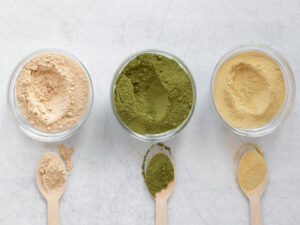
Botanical ingredients are commercially prepared plant materials used as inputs in finished-product development and manufacturing. The category includes materials with different compositions and processing formats, from milled plant parts to concentrated preparations and selected plant constituents.
This page provides an overview of Botanovance’s botanical portfolio and a starting point for category selection. Use it to identify a relevant product group, organize a sourcing brief, and find the appropriate category or individual product page for further evaluation.
OUR PORTFOLIO

Explore Our Botanical Ingredient Categories

The botanical portfolio is organized into four categories to help buyers find a useful starting point. Select a category according to how your required material is described in the product brief or existing purchasing specification.
Category Starting point for your search
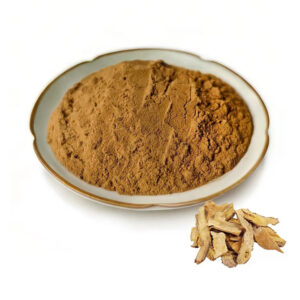
Botanical Powders Your brief calls for dried, milled plant material or a specified plant part.
Standardized Botanical Extracts Your brief names a measured botanical constituent or marker requirement.
Ratio Botanical Extracts Your brief identifies a botanical preparation by a declared extraction ratio.
Phytochemical Ingredients Your brief identifies a particular plant-derived substance or defined constituent group.
Some materials may fit more than one description. Category placement helps navigation; the individual product specification establishes what is being offered.
SOURCING GUIDANCE

How Do You Start a Botanical Ingredient Sourcing Project?

Start a sourcing project with the material you need and the finished product it will enter. A useful initial brief identifies the botanical or compound name, intended application, preferred category, and any existing purchasing requirements.
For a new project, explain the role the material is expected to serve and which requirements are already decided. For an established product, reference the approved material and distinguish essential requirements from characteristics open to evaluation.
If several botanicals are under consideration, list them separately. This gives procurement, development, and quality teams a shared starting point before reviewing category-specific details.
APPLICATION AREAS

Botanical Ingredients for Supplements and Nutraceuticals

Botanical ingredients for supplements and botanical ingredients for nutraceuticals span several material categories. The finished-product format helps define the evaluation brief, but does not by itself determine which category to select.
Supplement and contract manufacturing projects: Identify the planned capsule, tablet, gummy, powder, or liquid format, along with the requirements your development and production teams need to review.
Food and beverage projects: Identify the food matrix or beverage type, intended ingredient role, and relevant processing conditions.
Ingredient distribution projects: Define the product categories, customer applications, and purchasing specifications relevant to your portfolio.
Use the corresponding category and product pages for material-specific information.
PROCUREMENT PLANNING

Plan Botanical Purchasing Across Multiple Product Lines

A botanical purchasing plan should connect each requested material to its product line, expected demand, and approval stage. This is particularly useful when several finished products require materials from different botanical categories.
Separate development quantities from anticipated commercial demand. Indicate whether a requirement is for a new launch, an existing product, or an alternative supply option. Where repeat purchasing is expected, include the planning period and any known production milestones.
Keep each material as a distinct purchasing line rather than combining different botanicals into one undifferentiated volume. This gives sourcing discussions clearer scope while allowing individual specifications and commercial terms to be assessed separately.
DOCUMENTATION REVIEW

Coordinate Documentation Across Your Botanical Portfolio

Documentation review works more clearly when each file is linked to the exact material and purchasing line it supports. For projects involving several botanicals, organize the review before collecting category-specific records.
A simple project register can include:
Project field Information to record
Material reference Ingredient name and the product or grade under review.
Intended use Finished-product application and destination market.
Document status Information received, outstanding questions, and document dates.
Review responsibility The team or person responsible for technical and purchasing approval.
Use the same material reference throughout the inquiry and approval process. Record open questions against each selected material so they can be resolved before commercial approval.
SUPPLIER EVALUATION

Evaluate a Botanical Ingredient Supplier for Ongoing Procurement

A botanical ingredient supplier should be evaluated against your purchasing scope, whether that involves one material or a portfolio spanning several categories. Look for clear product identification, consistent communication, and a defined process for resolving outstanding requirements.
When assessing a botanical ingredient manufacturer or another supply partner, clarify the organizations responsible for production, commercial supply, and supporting records. Establish these responsibilities for the materials being considered.
For bulk botanical ingredients, discuss each purchasing line’s quantity, packaging, delivery requirements, and reorder expectations. Confirm commercial terms for individual items, then assess how the proposed arrangements fit your overall procurement plan.
SOURCING QUESTIONS

Botanical Ingredients Sourcing FAQs

Yes. Botanical extracts are one part of the broader category. Botanical ingredients can also include milled plant materials and selected plant-derived substances, so an extract category may not cover every material in your sourcing brief.

Begin with the named botanical and describe your intended product. Add the required plant part or material format if known. Use the category overview to narrow the search, then review individual listings.

Yes. Category descriptions can overlap because processing format and composition describe different aspects of a material. Use the catalog to find relevant options and the product specification to identify the exact item.
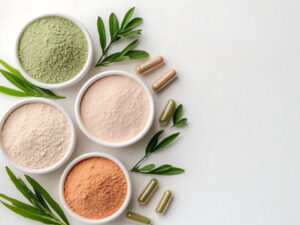
This page focuses on botanical raw materials for commercial product development and manufacturing. Finished supplements involve additional decisions about recipes, dosage forms, packaging, and production arrangements, which require a separate project discussion.

You can list materials from several categories in one inquiry. Give each material its own line, application, estimated quantity, and requirements. Availability, documentation, and commercial arrangements should be confirmed separately for each item.

Approval for one finished product does not establish suitability for every other product. Identify each intended use and confirm the applicable requirements before including the same material in another development or purchasing program.

START YOUR PROJECT

Discuss Your Botanical Ingredient Requirements

Share your botanical sourcing brief with Botanovance, whether you are identifying a product category, planning a new launch, or reviewing several materials for ongoing purchasing.
Include the material names, intended applications, destination markets, estimated quantities, and any existing specifications. If some requirements are still undecided, indicate what has been confirmed and what needs
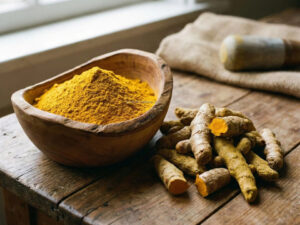
For projects involving multiple botanicals, a line-by-line list helps keep each requirement clear from the first discussion.
Call To Action
PRODUCT COLLECTION

Explore Botanical Ingredients Products

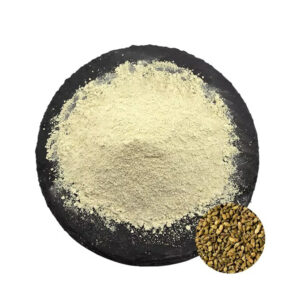
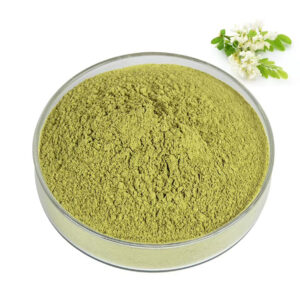
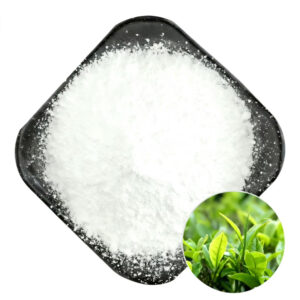
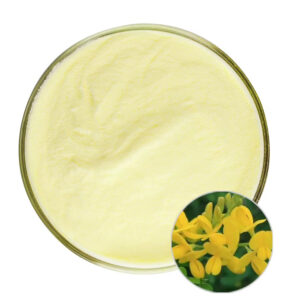
Browse individual botanical ingredients below, then open the relevant product listings to review the material descriptions and available product-specific information.
BUYER RESOURCES

Botanical Ingredients Guides & Resources

Explore resources that support botanical category selection, sourcing planning, and ingredient evaluation. Follow category-specific guides when your project requires a closer technical review.